
How Pavers Are Installed in Florida: Base, Bedding Sand and Compaction
Pavers are installed in a fixed sequence: excavate, compact a 4-to-6-inch aggregate base to 98 percent standard Proctor, screed 1 inch of bedding sand, lay and cut the units, lock the field with edge restraint, then sweep and compact joint sand. As of October 2026, a paver field is ready for use as soon as that last compactor pass is done, with no curing wait the way a poured driveway needs across Greater Orlando and Sarasota-Manatee.
By the Opera Concrete & Pavers estimating team · Updated October 1, 2026
How Are Pavers Installed in Florida, Start to Finish?
A paver installation builds from the ground up in a fixed order: excavate, compact a crushed-aggregate base, screed a thin layer of bedding sand, set the pavers, lock the field with edge restraint, then sweep and compact joint sand to finish. Unlike concrete, a paver surface is load-ready as soon as the joint sand is compacted and the base compactor's last pass is done; there's no multi-day cure to wait out before the driveway or patio can be used.
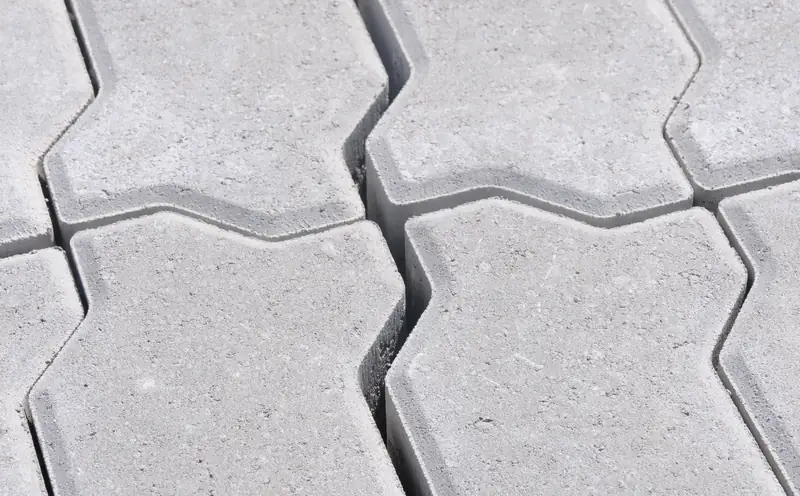
How Deep Does the Base Need to Be?
The industry's own construction standard sets a residential driveway base at a minimum of 6 in of compacted aggregate over soil that drains well, 2 to 4 in deeper where the ground stays wet, while a patio or walkway needs roughly 4 in on the same well-drained ground, since foot traffic never loads a base the way a parked car does (ICPI Tech Spec 2). Our paver driveway page and our paver patio page carry the full base spec table by use; this guide is about how that base actually gets built, lift by lift, rather than the finished numbers.
Can Crushed Concrete Be Used as Paver Base in Florida?
Yes. Florida's own transportation department allows crushed concrete from demolished pavement to be recycled into new base and aggregate material, and it's a common, locally available base option in both service areas rather than a compromise material (FDOT, recycled materials FAQ). What matters more than whether the base is virgin limerock or recycled concrete is that it's a well-graded aggregate that compacts to the same density standard either way; a load of loose, uncrushed rubble swapped in to save money doesn't meet that standard and compacts unevenly under the plate compactor.
How Is the Base Compacted, and to What Standard?
Aggregate goes down in lifts of about 4 to 6 in, not dumped to full depth and rolled once, with each lift run over by a plate compactor, typically rated around 7,000 lbf for this kind of work, before the next lift is added on top. The target is at least 98 percent of standard Proctor density for pedestrian areas and driveways, checked rather than assumed, since a base that looks solid on the surface can still be loose a few inches down if a lift was skipped or the compactor only made one pass (ICPI Tech Spec 2). On flatwoods soils with a shallow seasonal water table, Myakka and Smyrna among them, that compaction standard can be harder to reach without extra base depth or a drainage pipe worked into the subgrade first (NRCS, Myakka series).
What Is Bedding Sand, and How Does It Go Down?
Bedding sand is a thin, uncompacted layer, screeded to about 1 in using pipe rails as a depth guide, that sits between the compacted base and the pavers themselves; it's never compacted before the units are set, since compacting it first would leave no give for the pavers to settle evenly into as they're laid and tamped. A rake or a flat board, pulled across the pipe rails, levels the sand to a consistent depth across the whole field in one pass, and any low spot left in the sand telegraphs straight up through the finished surface once pavers sit on top of it.
How Are the Pavers Laid, Cut and Compacted Into Place?
Full units are set first, working course by course from a fixed, straight edge, usually the house or garage line, with border and apron pieces measured and cut last once the main field's pattern is established. A plate compactor runs over the laid field before joint sand goes in, which seats each paver into the bedding sand and tightens the gaps between units to the standard eighth-of-an-inch joint width or less that the construction spec calls for.
How Is Edge Restraint Installed, and Why Does It Matter This Much?
Restraint runs the entire perimeter of the finished field and anywhere the paving material changes, spiked down into the compacted aggregate base rather than into the soil beneath it, since soil alone doesn't hold a spike against the sideways push a loaded field exerts over time (ICPI Tech Spec 3). Skipping restraint, or substituting plastic landscape edging meant for flower beds, is the single most common reason a paver field spreads at the edges and opens gapping joints within a year or two, long before the pavers themselves show any wear.
How Do You Finish a Paver Installation: Joint Sand and the Final Pass
Dry joint sand, or polymeric sand where the project calls for it, is swept across the finished field and worked down into the joints, then the whole surface gets one more compactor pass to lock the sand in and settle the field as one connected unit. Sealing is a separate, optional step that can happen weeks or months later once the pavers have weathered in; it's not part of the base installation sequence itself, and the industry's own guidance sets no fixed interval for how often a sealed surface needs recoating (ICPI Tech Spec 5).
Say You're Installing a Paver Driveway on a Candler Sand Lot Near Clermont
Clermont sits on the Lake Wales Ridge, where excessively drained Candler sand lets a 6-inch base compact cleanly without the extra lifts a flatwoods lot nearby might need, since the water table there can sit 80 in or deeper rather than within 18 in of the surface (NRCS, Candler series). The build sequence doesn't change, excavate, base, sand, lay, restrain, finish, but the number of compaction passes and whether a drainage pipe gets worked into the base often does, which is why we test the soil on site rather than quoting one base depth for every lot in the same town. Our guide to tree roots under a driveway covers a different soil-related installation question worth checking on a lot with mature trees nearby.
Frequently asked questions
What's the difference between the paver base and the bedding sand?
The base is 4 to 6 inches of compacted aggregate that carries the actual load and is checked against a density standard before anything else goes down. Bedding sand is a thin, 1-inch, uncompacted layer on top of that base that lets each paver settle in evenly as it's laid; the two layers do different jobs and neither substitutes for the other.
Can crushed concrete be used under pavers in Florida?
Yes. Florida's transportation department allows crushed concrete recycled from old pavement to be used as base and aggregate material, and it's a common, locally available option rather than a lesser substitute, as long as it's a well-graded material that compacts to the required density.
How many inches of compacted base do pavers need?
A residential driveway needs at least 6 inches of compacted aggregate over well-drained soil, 2 to 4 inches more where the ground stays wet; a patio or walkway needs roughly 4 inches on the same well-drained soil, since it never carries the load a parked car does.
What tool compacts the base and the finished paver field?
A plate compactor, typically rated around 7,000 lbf for this kind of work, runs over each 4-to-6-inch lift of base material before the next lift goes down, then makes a final pass over the laid pavers once joint sand has been swept in.
Is a paver driveway usable right after installation, unlike concrete?
Yes. A paver field is load-ready as soon as the joint sand is compacted and the final compactor pass is done, since the interlock between units carries the load rather than a cured bond. Concrete, by comparison, needs a multi-day cure before it can take regular traffic.