
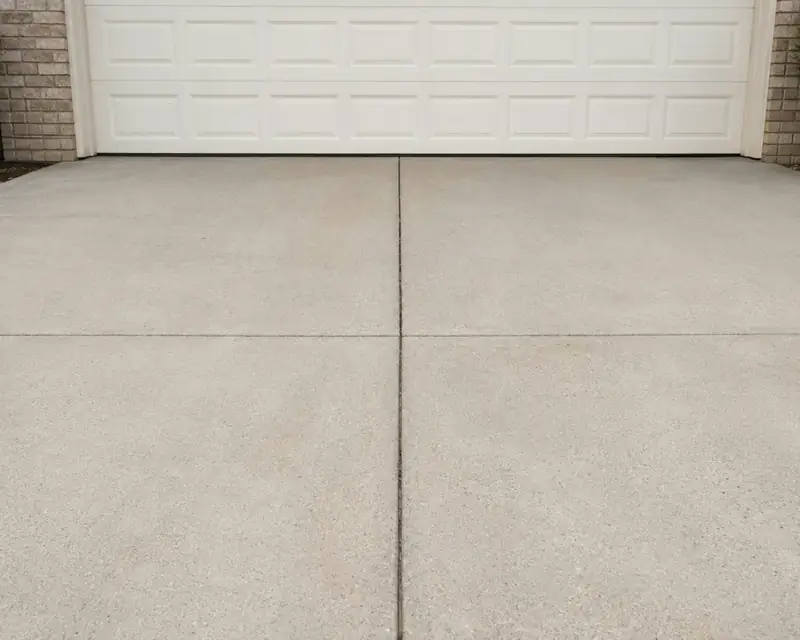
Concrete · Greater Orlando & Sarasota
Concrete Repair Matched to What's Actually Wrong
Concrete repair covers four different problems with four different fixes: crack filling for a stable crack, mudjacking or polyurethane foam for a sunken panel, a bonded overlay for cosmetic wear, and cut-out-and-replace for a panel too damaged to save. As of October 2026, repair and resurfacing work runs $3–$10 per sq ft in Florida market data. We diagnose before quoting a method, across Greater Orlando and Sarasota–Manatee.
By the Opera Concrete & Pavers estimating team · Updated October 1, 2026
Get a free estimate
Tell us about the project and we'll call to set up a free site visit.
What's actually wrong with a cracked, sunken or pitted slab
Concrete repair covers four different problems, and the fix depends on telling them apart before anything else. A crack that isn't widening and isn't tied to a sunken panel is usually a cosmetic or shrinkage crack, treated by filling it. A slab that's settled into a dip is almost always missing material under it, a void that formed when water carried sand and fines out through a joint or crack over several rainy seasons, and that's a leveling job, mudjacking or polyurethane foam injection, rather than a surface fix. A slab that's scaled, pitted or faded but structurally sound is a resurfacing candidate, a new bonded layer over the old one. And a panel that's cracked into several independent pieces, or badly broken at an edge, usually needs to come out and be replaced rather than patched. Our concrete driveway page and concrete slabs page cover new construction; this page is specifically about fixing what's already there.
Crack filling and sealant: for a crack that isn't moving
A hairline or moderate crack that hasn't widened recently and isn't sitting over a void gets treated as a linear repair rather than a surface one: a flexible filler or sealant worked directly into the crack, priced by the linear foot rather than the square foot. Orlando-area pricing for this runs roughly $0.50 to $5 per linear foot depending on the crack's width and depth (Angi Orlando). It's a maintenance step for a crack that's stable, not a fix for one that's actively opening, since filler alone does nothing about whatever is still moving underneath. Why concrete cracks, and which cracks are normal covers how to tell ordinary shrinkage cracking from a crack that needs more than a bead of sealant.
Leveling a sunken slab: mudjacking versus polyurethane foam
Both methods raise a settled panel back toward grade by filling the void underneath it, working through small holes drilled across the sunken area, without demolishing the slab. They part ways on what goes into the hole and how much it weighs once it's there.
| Method | Cost (national) | Hole size | Best fit |
|---|---|---|---|
| Mudjacking (mud-jacking) | $4–$9/sq ft; $300–$700 minimum | About 1–2 in | Firm, well-drained soil that can carry the grout's added weight |
| Polyjacking (foam) | $8–$25/sq ft; $300–$700+ minimum | About ⅝ in | Soft, saturated or flatwoods ground where added weight is a risk |
HomeGuide, mudjacking; HomeGuide, polyjacking. Orlando mudjacking runs $3–$8/sq ft, averaging about $1,667 per job (Angi Orlando).
Mudjacking pumps a soil-cement-water slurry under the slab that carries real weight once it sets, which matters on ground that's already struggling to hold the concrete above it. Polyurethane foam expands into the same kind of void but weighs a fraction as much, which is usually the better call on soft or saturated soil, the flatwoods ground common across both service areas, where adding more weight under an already-settling panel can bring the same problem back within a year or two. Either way, leveling only works if the slab itself is sound enough to rise as one piece; a panel cracked into several independent sections doesn't lift evenly and calls for cut-out-and-replace instead.
Resurfacing and overlays: a new surface, not a new base
A bonded resurfacing overlay is a thin cementitious layer applied over a bonding agent so it grips the existing slab instead of sitting on top of it loosely. It changes nothing about what's a few inches below the surface, which is exactly why it only works on a slab whose problem is cosmetic, pitting, scaling or hairline surface cracking, and not on a panel that's actively settling into a void. A basic decorative overlay runs roughly $6 to $10 per square foot nationally, and a stamped or textured overlay runs $7 to $20, higher for a multi-color design (HomeGuide). Driveway resurfacing specifically runs $3 to $5 per square foot, and a 2-car driveway typically totals $1,200 to $2,900 (HomeGuide — Concrete Resurfacing Cost). Pool-deck resurfacing has its own pricing and finish options, covered on our concrete pool deck page rather than here.
Cut-out-and-replace: when repair won't hold
Installed concrete repair work, section replacement and resurfacing together, runs $3–$10 per sq ft (resurfacing) in current Florida market data, typically $4–$7; a full tear-out and replacement of damaged sections in Orlando runs higher, $10 to $15 per square foot, since it includes demolition, base rebuild and a full new pour rather than a surface treatment (Angi Orlando). A replaced panel is built to the same thickness and strength as the surrounding slab, 3,000 to 4,000 psi for typical residential flatwork, with a clean saw-cut edge and steel dowels tied into the adjoining panels so the new section moves with the old rather than settling on its own. These are Florida and national market figures current as of October 2026, not a quote; what a given repair costs turns on how many panels are affected and how the crew reaches them. The concrete repair cost guide breaks this down by job size, and our resurface-or-replace comparison walks through the decision in more detail than fits here.
The repair sequence, start to finish
The order changes by method, but every repair starts the same way: figuring out why the slab cracked or sank before picking a fix off a list.
- Diagnose before quoting a method. Check whether there's a void under the slab, whether a crack is still moving, and whether the surrounding panels are sound enough for an overlay or a lift.
- Fill or seal a stable crack. A flexible sealant is worked into a crack that isn't tied to settlement, priced by the linear foot.
- Lift a settled panel by injection. Mudjacking grout or polyurethane foam is pumped through small drilled holes until the panel reaches grade, then each hole is patched.
- Prep and apply a resurfacing overlay. The slab is pressure washed, spalls and wide cracks are patched, then the bonded overlay goes down and is sealed once cured.
- Cut out and replace a failed panel. The damaged section is saw-cut, demolished and hauled off, the base is rebuilt and compacted, dowels are set, and the new panel is formed and poured to match.
- Cure before returning the area to use. At least three days of curing before regular traffic, longer for a replaced panel in summer heat.
A mudjacking or polyjacking day usually wraps in hours once the void is confirmed; a resurfacing overlay adds a day for prep and another for the overlay and sealer; a cut-out-and-replace job runs closest to new construction, including the three-day cure. How concrete cures in Florida heat and humidity covers why that cure window matters more here than in a milder climate.
What causes the damage in the first place, and why it keeps coming back if the cause isn't fixed
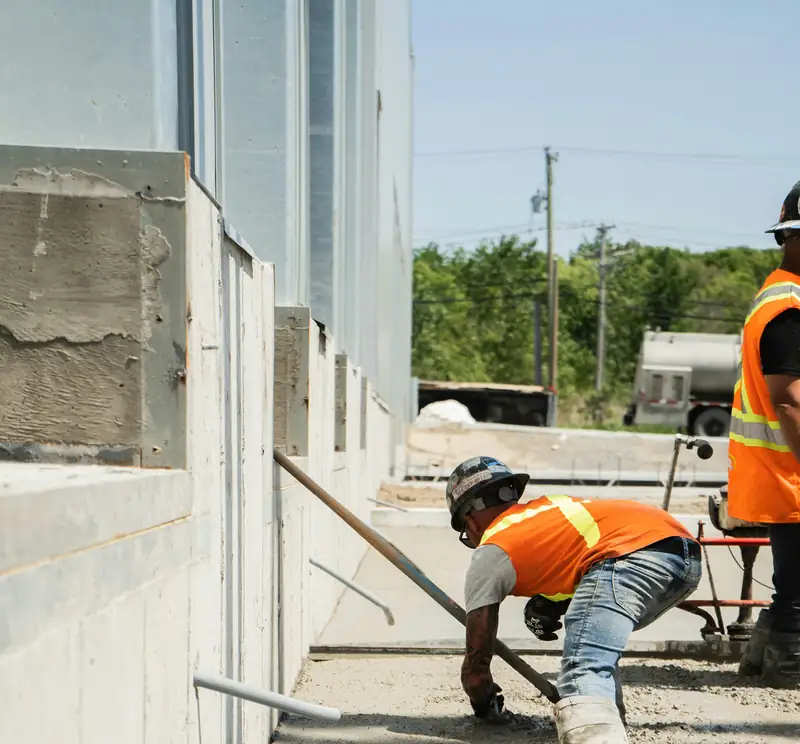
Nearly every repair traces back to water finding a path into or under the slab: through an open joint, a crack left unsealed, or a base that was never compacted to standard in the first place. On flatwoods soils with a water table that sits within about 18 inches of the surface for part of most years, Myakka, Smyrna and EauGallie among the common series, that erosion process runs faster than it does on drier ground (NRCS, Myakka series). A driveway can look stable for a long stretch and then develop a noticeable dip in a single wet season once the void underneath finally collapses under traffic, which is why a repair that only addresses the surface, resurfacing over an active void, rarely holds past the next rainy season.
Tree roots are a separate, mechanical cause: a root running under a slab's edge lifts rather than sinks the concrete, which needs a different fix than a settled panel does, covered in tree roots under your driveway or sidewalk. A sunken slab is also not the same thing as a sinkhole. Florida's insurance statute requires coverage only for a catastrophic ground-cover collapse, an abrupt event with a visible depression and structural damage severe enough that the building is condemned; ordinary settlement from a washed-out base is a far more common and far less dramatic cause, and a state Senate report found more than 88 percent of Florida's sinkhole insurance claims concentrated in eleven counties, with Orange among them and Sarasota and Manatee absent from that list (F.S. 627.706, FL Senate Interim Report 2011-104). Sinkholes vs. normal settlement in Central Florida goes through how to tell the difference before calling a geologist instead of a repair crew.
Permits and HOA notice for a repair job
A repair that doesn't change a slab's footprint, filling a crack, leveling by injection, or resurfacing within the existing edges, typically doesn't trigger the same permit review a new driveway or patio does, though a full cut-out-and-replace of a right-of-way apron or a structural section can fall back under the ordinary flatwork permit for that jurisdiction. Manatee County's published list of work that doesn't require a permit covers routine non-structural repair; Orange County and the City of Orlando route larger section replacements through the same engineering permit used for new concrete and pavers (Manatee County, Orange County). On a contract over $2,500, the lien-law Notice of Commencement still applies regardless of whether the job needs a building permit (F.S. 713.13). An HOA with architectural control over a driveway or patio's appearance can generally require notice of a repair that changes color or finish, color-matched resurfacing is the most common trigger, even where the repair itself needs no government permit; getting HOA approval for a driveway, pavers or a pool deck covers that process.
Setting expectations: a repair rarely matches the old concrete exactly
New concrete and old concrete age differently. A freshly poured patch or a replaced panel starts out a slightly different shade than the slab around it, and even with a close color match at mix time, each section cures and weathers at its own rate, so a visible line between old and new is a normal, cosmetic outcome rather than a sign the work was done wrong. A resurfacing overlay covers the whole visible surface in one pass, which is why it reads as more uniform than a cut-out repair, where only the replaced section is new. We set this expectation before the job starts rather than after, since a structurally sound repair that's visibly newer than its surroundings is still a successful repair.
How do you choose the right repair, and the right contractor, for a damaged slab?
Searching for concrete repair near me usually returns a mix of driveway installers and dedicated leveling companies; a few questions sort out which one actually fits the problem.
- Ask for a diagnosis before a method. A quote for resurfacing or mudjacking written before anyone checks for a void or confirms a crack has stopped moving is a guess with a price attached.
- For a sunken panel, ask whether mudjacking or polyjacking is recommended and why; the soil underneath, not personal preference, should drive that choice.
- Get the cut-out panel's thickness, strength and dowel detail in writing if replacement is recommended, not just a square-footage price.
- Check a repair contractor's standing on the DBPR license search if the scope includes structural work beyond ordinary flatwork repair.
- Ask directly whether the same spot has failed before on this driveway or patio, since a repeat failure usually points to an uncorrected drainage cause, not a weak original repair.
Should you seal a concrete driveway in Florida? and removing rust and sprinkler stains cover the surface-care side of keeping a repaired slab from needing the same fix again.
Where we repair concrete
We handle concrete repair across Greater Orlando and Sarasota–Manatee. Related towns: concrete repair & resurfacing in Orlando, concrete repair & resurfacing in Winter Garden, concrete repair & resurfacing in Sarasota and concrete repair & resurfacing in Venice.
Concrete Repair & Resurfacing by city
Each local page covers that town's permit office, soil, HOA approvals and weather.
Orange County
Osceola County
Seminole County
Lake County
Sarasota County
Manatee County
Frequently asked questions
Can you repair just the cracked part of my driveway?
Often, yes. A single damaged panel can usually be cut out and replaced without touching the rest of the driveway, tied into the adjoining sections with steel dowels so it moves with them rather than as an independent piece. Whether that's the right call instead of resurfacing or replacing the whole driveway depends on how many panels are affected; our resurface-or-replace comparison walks through that decision.
Does crack filler work on concrete driveway cracks?
For a hairline or moderate crack that's stable, not actively widening and not sitting over a settled area, a flexible sealant worked into the crack is an effective, inexpensive fix priced by the linear foot. It doesn't address a crack caused by a void underneath or ongoing movement; filling that kind of crack without fixing the cause usually means doing it again within a season or two.
How long does concrete resurfacing last on a driveway?
There's no fixed number in the industry's own guidance, since it depends heavily on the condition of the base and slab underneath the overlay and how the surface is used and sealed afterward. Resurfacing applied over a sound, stable slab with cosmetic wear holds up well; applied over a slab that's still settling, it tends to crack again in roughly the same place within a wet season or two.
Can you fix a trip hazard where a slab has lifted?
Yes, and the fix depends on the cause. A lift from a tree root usually needs grinding the raised edge down or cutting and resetting that section, since the root is still pushing from below. A lift from one panel settling lower than its neighbor is more often a leveling job on the low side rather than grinding the high one.
Can you level a sunken concrete slab?
Yes, by mudjacking or polyurethane foam injection, both of which fill the void under the slab through small drilled holes and raise the panel back toward grade without demolishing it. Which method we recommend depends on the soil condition under your slab; foam is usually the better fit on soft or saturated ground, since it adds far less weight than mudjacking's slurry does.
Will the repaired section match my old concrete?
Not exactly, and we say so before starting rather than after. New concrete starts out a different shade than weathered concrete and ages at its own rate, so a visible line between old and new sections is normal and cosmetic, not a sign of a flawed repair. A full resurfacing overlay gives a more uniform look across the whole surface than a cut-out section replacement does.
Sources
- Angi — Concrete Driveway Repair Cost, Orlando FL
- HomeGuide — Mudjacking Cost
- HomeGuide — Polyjacking Cost
- Angi — Mudjacking Cost, Orlando FL
- HomeGuide — Concrete Resurfacing Cost
- NRCS OSD Myakka
- Florida Statutes 627.706
- Florida Senate Interim Report 2011-104 (sinkhole insurance)
- Manatee — What Does Not Require a Permit (6-16-26)
- Orange County — Do I Need a Permit
- F.S. 713.13 (2026) Notice of commencement
- DBPR License Search
Ready for a price on your project?
Request a free estimate
Tell us about the project and we'll call to set up a free site visit.