
Should You Seal a Concrete Driveway in Florida?
Sealing a concrete driveway in Florida is optional, not required by code, but it slows staining and UV fading on a surface that sits in full sun most of the year. As of October 2026, a basic sealer coat runs about $1 to $3 per square foot nationally and generally needs reapplying every 3 to 5 years, sooner on a decorative surface or one in constant Central Florida or Suncoast sun.
By the Opera Concrete & Pavers estimating team · Updated October 1, 2026
Should You Seal a Concrete Driveway in Florida?
Sealing is optional on a plain broom-finish driveway and isn't required by any Florida building code; what it buys is slower staining, less UV fading and an easier surface to keep clean, in exchange for the cost of the coating and reapplying it every few years. A stamped, exposed-aggregate or colored driveway is a different case: the sealer is doing real protective and cosmetic work there, holding color and texture that a bare decorative surface would lose faster. A plain concrete driveway can go its whole service life unsealed with no structural downside; our concrete repair service is for the staining, pitting or cracking that shows up either way over enough years.
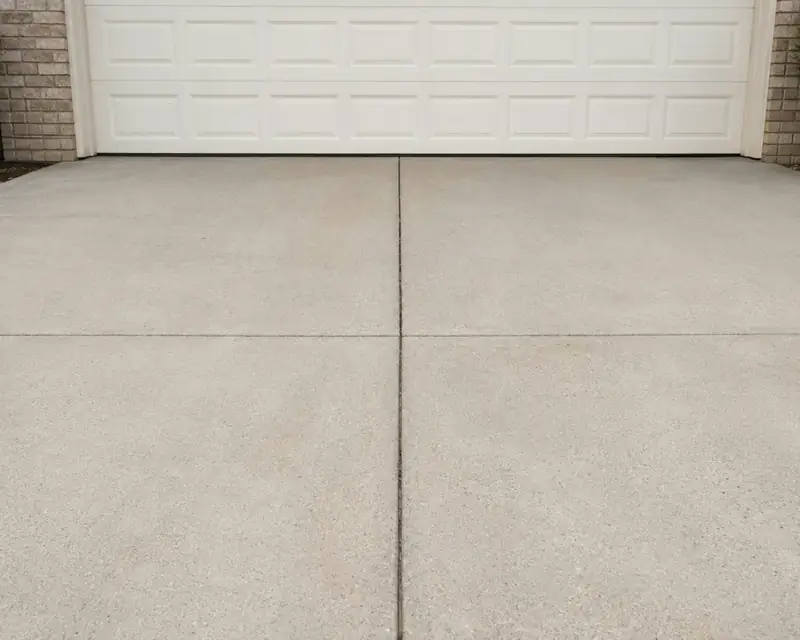
When Should You Seal a New Concrete Driveway?
Later than most homeowners expect: a ready-mix trade association's consumer guidance calls for freshly placed concrete to air dry at least 30 days before the first sealer coat goes on (Wisconsin Ready Mixed Concrete Association, driveway care tips). That's a separate clock from the roughly 3-day curing window a slab needs right after the pour; curing is about the concrete reaching strength, while the 30-day wait is about giving residual moisture time to leave the slab before a sealer traps it underneath. A coat applied too early seals in moisture that still needs to escape, which tends to show up later as cloudiness or a film that doesn't bond evenly rather than as an immediate, obvious problem.
Penetrating vs. Film-Forming Sealer: Which One Fits a Florida Driveway?
A penetrating sealer, typically a silane or siloxane, soaks into the concrete rather than sitting on top of it, leaving a natural, matte look with no added sheen. A film-forming acrylic sealer sits as a coating on the surface, deepening color and adding gloss, which is the look most homeowners picture when they say "sealed concrete," but that same surface film is what makes it vulnerable to plasticizer migration from a hot, parked tire (our guide to tire marks and oil stains covers that mechanism in detail). A plain driveway that just needs stain resistance and easier cleaning does fine with either type; a driveway that regularly parks a hot car in full Florida sun leans toward penetrating specifically because there's no film for a tire's plasticizers to react with.
| Look | Hot-tire risk | Best fit | |
|---|---|---|---|
| Penetrating (silane/siloxane) | Natural, matte, no added sheen | Low; no surface film to react with | Daily-use driveways, parked cars |
| Film-forming (acrylic) | Glossy, deepens color | Higher; plasticizers can migrate into the film | Decorative surfaces, lower vehicle traffic |
General trade-off; a specific product's label should confirm its own rating.
Does a Stamped or Exposed-Aggregate Driveway Need Sealing More Than a Plain One?
Yes. On stamped concrete, the sealer is what protects the color hardener and release agent that give the pattern its depth, and without it the texture wears flat and the color fades noticeably faster than on a plain broom finish. Exposed aggregate works the same way: the sealer keeps individual stones from loosening and holds the contrast between the stone and the paste around it. A plain gray broom finish has no decorative coating to protect, which is the main reason it's the one surface where skipping sealer altogether is a perfectly reasonable call. Our stamped concrete maintenance guide covers resealing, fading and flaking on a decorative surface in more depth than fits here.
How Much Does It Cost to Seal a Concrete Driveway, and How Often?
A basic sealer coat is priced separately from the pour itself, and published national data puts it at roughly $1 to $3 per square foot when it's added to a driveway job, with a decorative or multi-coat finish running toward the higher end of that range. Manufacturer guidance on decorative sealers generally calls for reapplication every three to five years, and Florida's intense UV and summer heat tend to shorten that window for a surface that gets full sun most of the day (Concrete Solutions FL, concrete sealing guide). Our concrete driveway cost guide works through pricing for the driveway itself; a sealer coat is a smaller add-on line, not a separate major project.
What Happens If You Never Seal a Concrete Driveway?
Not much, structurally. An unsealed plain driveway cracks, cures and wears on the same schedule as a sealed one; ordinary shrinkage cracking happens either way, since sealer protects the surface, not the slab's strength. What changes without a sealer is staining: oil, rust and tire marks soak into bare concrete faster and sit deeper than they do on a protected surface, which is the main trade-off homeowners are actually weighing when they ask whether sealing is worth it. Our guide to oil and tire stains and our guide to rust and irrigation stains both cover cleanup either way, sealed or not, since even a sealed surface stains eventually.
Frequently asked questions
Does Florida code require sealing a concrete driveway?
No. Sealing is a maintenance and cosmetic choice, not a building code requirement, for a driveway of any finish. The code sets thickness, strength and reinforcement standards for the slab itself; what goes on top afterward is entirely up to the homeowner.
Will sealing stop my driveway from cracking?
No. Sealer protects the surface from staining and UV wear; it has no effect on the shrinkage and movement that cause ordinary cracking at a control joint. A crack that's actively worsening needs a diagnosis and repair, not a coat of sealer, regardless of whether the surrounding slab is sealed.
How long after pouring can I seal a new concrete driveway?
Most guidance calls for at least 30 days of air drying before the first sealer coat, separate from the roughly 3-day cure period the slab needs right after the pour. Sealing earlier than that risks trapping residual moisture under the coating, which tends to show up later as cloudiness rather than as an immediate problem.
Does sealing change how a plain gray driveway looks?
A penetrating sealer leaves the surface looking close to how it did before, just slightly darker and less likely to stain. A film-forming acrylic sealer adds visible gloss and deepens the gray noticeably, which some homeowners like and others find changes the driveway's look more than they wanted.
Can I seal my driveway myself, or does it need a professional?
A straightforward plain-concrete sealing job is within reach for a careful homeowner who follows the product's coverage rate, dry-time and weather guidance closely. A decorative surface with a slip-resistant additive to mix in, or a driveway that's already showing uneven wear, is more forgiving in a professional's hands.