
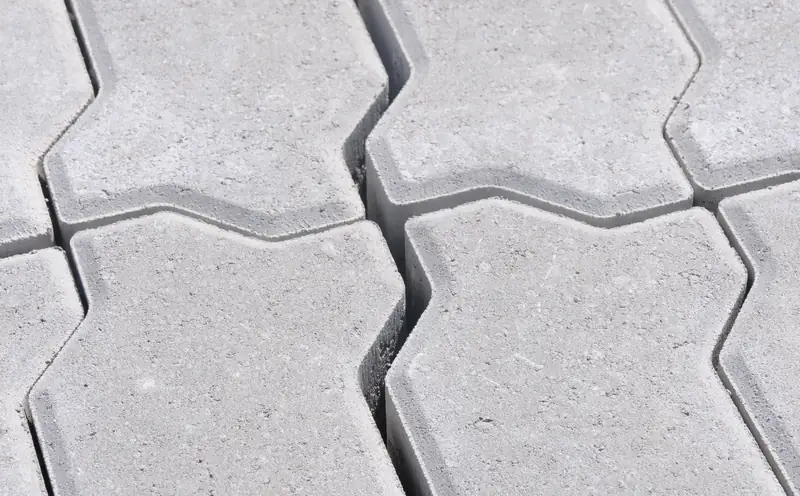
Pool Deck Pavers · Kissimmee, FL
Pool Deck Pavers in Kissimmee: New Decks and Overlays
Pool deck pavers in Kissimmee cost $12–$30 per sq ft installed, a Florida market range as of October 2026, and that number holds whether the pavers go down fresh or get relaid over a deck that's already there. With the typical Kissimmee home dating to 1992, a share of the original cool-deck and broom-finish pool surfaces around the older neighborhoods are now well past 30 years old and candidates for a paver overlay rather than a full tear-out.
By the Opera Concrete & Pavers estimating team · Updated October 1, 2026
Get a free estimate
Tell us about the project and we'll call to set up a free site visit.
Original 1990s decks are old enough for an overlay, not just a patch
Kissimmee's median year of home construction is 1992 (Census Reporter, Kissimmee), old enough that a meaningful share of the city's original pool decks have reached the stage where a worn cool-deck coating and hairline cracking call for a resurfacing decision rather than another spot patch. The city's slab permit type, filed with Permitting at 407-518-2379, covers that overlay the same way it covers a brand-new pour (City of Kissimmee, Types of Permits).
Older decks sit closer to downtown and the lake, newer ones toward the resort corridor
Homes near the older, lake-adjacent parts of Kissimmee, closer to Lake Tohopekaliga and the historic core, tend to carry original pool decks from that same early-1990s era, while construction nearer the US-192 resort corridor skews newer, often on lots zoned for short-term rental use (Osceola County, STRPD District). That split shows up in the work itself: older, lake-area homes lean toward a paver overlay on an aging slab, while newer rental-zoned builds more often choose pavers for a first pool install.
Base Depth for a Paver Deck Follows the Patio Spec, Not the Driveway Spec
A paver pool deck carries the same light pedestrian load a patio does, lounge chairs, foot traffic, the occasional umbrella stand, so the ICPI minimum of 4 inches of compacted base on well-drained soil applies here too, not the heavier 6-inch driveway spec. What's different around a pool is how much more moisture the base near the water's edge sees from splash-out, backwash and equipment pad runoff, on top of whatever rain the rest of the yard gets. On a Kissimmee job, we treat the few feet closest to the coping as wetter ground by default and compact accordingly, even on a lot where the rest of the base tests dry.
Laying Field Pavers From the Coping Outward
Once the base is compacted and bedding sand is screeded, we typically start the field pattern at the fixed coping line and work outward toward the perimeter restraint, since the coping's curve is the one edge in the layout that can't be adjusted after the fact. Border and cut pieces get set last at the outer edge, where small adjustments in cut width are easier to absorb than they would be right against the pool. On a Kissimmee deck of average size, this stage usually runs a full day or two, depending on how much cutting the coping curve and any deck drains require.
A paver overlay on a 1990s-era Kissimmee pool deck, worked out in square feet
Say a home built in 1992, the city's median construction year, resurfaces a 540 square foot original cool-deck patio with pavers set directly over the existing slab. Figuring $12–$30 per sq ft installed puts that overlay somewhere around $6,480 on the plain end and up near $16,200 if the owner picks travertine over a standard concrete paver. A full tear-out instead of an overlay adds demolition cost but avoids building the new surface on top of whatever settling the original 1990s slab has already done.
Travertine, Shell Stone or Concrete Pavers: What Changes Around a Pool
Travertine stays noticeably cooler underfoot in direct sun than a dark concrete paver, part of why it's a common choice right around a Kissimmee pool, though we won't put a number on that difference since no verified measurement exists for Florida conditions. Shell stone, quarried coquina with visible shell fragments, offers a similarly light, naturally textured surface with its own look. Both are more porous than concrete and need sealing attention sooner. Concrete pavers cost less, come in more colors, and are cheaper to replace individually if one cracks, trading some of that heat and texture advantage for lower material cost.
Height Mismatch at the Door When Pavers Go Over an Old Deck
Pavers set over an existing concrete deck add height, and if that buildup wasn't checked against the door thresholds before the job started, the finished surface can end up sitting higher than a slider or French door's sill. That mismatch does more than look wrong, it can let rainwater that used to drain away from the house instead pool against the threshold and work its way inside during a hard storm. A Kissimmee overlay job that skipped this check at the design stage usually needs the threshold itself modified after the fact, a far more disruptive fix than planning for it before the first paver went down.
Cleaning Algae Off a Deck That Never Fully Dries
A paver deck that borders a pool rarely gets a chance to dry out completely, between splash-out, pool-service hose-downs and shade from a screen cage or nearby trees, which makes it more prone to algae growth than an open patio in full sun ever is. A mild cleaner suited to the paver or stone finish, applied with a stiff brush and rinsed well, clears most of it without stripping joint sand or a sealer coat the way a close-range pressure washer does. On a Kissimmee deck, treating the splash zone and any shaded stretch as its own cleaning schedule keeps algae from building faster than the rest of the field shows it.
Frequently asked questions
Can pavers go over a cracked pool deck in Kissimmee without tearing it out?
Usually, as an overlay, reviewed under the same slab permit type the city uses for a brand-new pour. How much the existing slab has already settled or cracked is what decides whether an overlay holds up or a tear-out is the better call.
Are older Kissimmee pool decks more likely to need an overlay than newer ones?
Generally, yes. Homes closer to the older, lake-area parts of the city tend to carry pool decks dating to around the city's 1992 median construction year, while newer construction nearer the resort corridor more often involves a first paver install rather than a resurfacing job.
Does a pool deck overlay need the same permit as a new pool deck?
Yes, the city's slab permit type covers an overlay on an existing deck the same way it covers new construction, filed through Permitting at 407-518-2379.
Sources
- Census Bureau PEP, City and Town Population Totals, Vintage 2025 (July 1, 2025)
- Census Reporter, Kissimmee FL (ACS 2020-2024 5-yr, B25035)
- City of Kissimmee, Parks
- City of Kissimmee — Apply for Driveway/Sidewalk Construction
- City of Kissimmee — Apply for Right-of-Way Permits
- City of Kissimmee — Types of Permits
- Osceola County — Right-of-Way Permit Information
- Osceola County — Parking Ordinance, Ch. 22 Art. II (Sec. 22-50.6)
- Osceola County — Permit Information
- Osceola County — Homeowners
- NRCS OSD Smyrna
- NRCS OSD Myakka
- Celebration, Architectural Review Committee
- Florida Administrative Code — Rule 62-308.100, Synthetic Turf (effective May 19, 2026)
- Florida Statutes §125.572 — synthetic turf on single-family lots
- Toho Water Authority, Watering Days and Times
- Osceola County, STRPD District
Ready for a price on your project?
Request a free estimate
Tell us about the project and we'll call to set up a free site visit.