
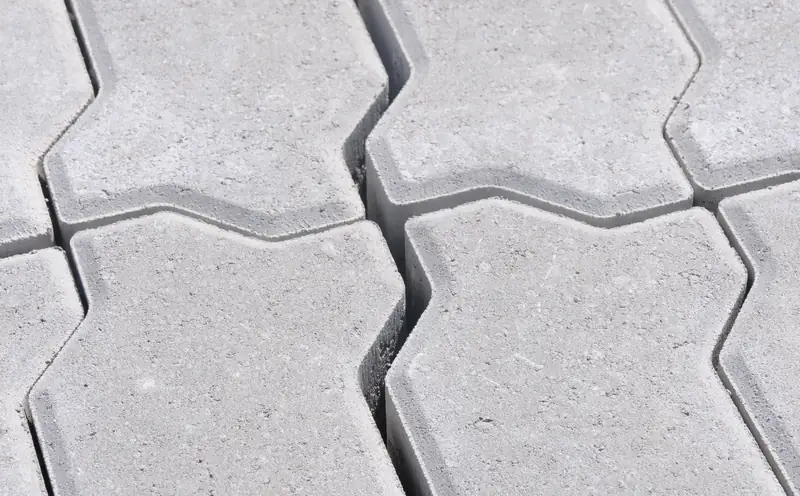
Pool Deck Pavers · St. Cloud, FL
Pool Deck Pavers in St. Cloud: New Builds and Overlays
Pool deck pavers in St. Cloud run $12–$30 per sq ft installed as of October 2026, whether set fresh around a new pool or relaid over an older deck. With the city's median home dating to 2003, most original pool decks around St. Cloud are still within their first two or three decades, which tilts the local mix toward first installs over full overlays.
By the Opera Concrete & Pavers estimating team · Updated October 1, 2026
Get a free estimate
Tell us about the project and we'll call to set up a free site visit.
A younger housing stock means fewer decks are due for a full overlay
St. Cloud's median year of home construction is 2003 (Census Reporter, St. Cloud, FL), well short of the 30-plus years that tends to push an older coating toward a full paver overlay. Pool deck pavers going in now more often sit on a first-time pool build than on a worn-out original surface, the reverse of the pattern in some of the area's older cities.
Bullnose Coping Units and Why the Edge Profile Matters
Precast bullnose coping, a paver unit with a rounded, overhanging front edge, is the standard detail where a paver field meets the water, since a square-edged unit left proud of the pool's bond beam is uncomfortable against bare skin and catches toes climbing out. Bullnose units typically price separately from field pavers, with published ranges running $20 to $40 per linear foot. On a St. Cloud deck, we set the coping course first and work the field pattern back from that fixed line, rather than fitting coping in last against whatever field layout was already set, which is how coping joints end up uneven.
Pool deck pavers on a new build, worked out in square feet
Say a new-construction home sets 580 square feet of pool deck pavers around a freshly installed pool shell. That footage at $12–$30 per sq ft installed comes to around $8,120 on the concrete-paver end and up near $17,400 if travertine is chosen instead. Because the pool and the deck go in together, base compaction happens on freshly graded soil rather than over whatever settling an older slab left behind, the main way this job differs from relaying pavers over a worn deck on an established lot.
The base under those pavers still answers to the same flatwoods soil
Dominant across Osceola County, the Smyrna and Myakka soil series keep their water table inside about 18 inches of grade for a few months most years (NRCS soil survey records; the Myakka series data). A brand-new pool doesn't change that math; the aggregate base under a fresh set of pavers has to account for how close the water sits, the same way it would on an overlay job over an older deck.
Irrigation Overspray Washing Fines Out From Under the Coping
A sprinkler head aimed even slightly toward the pool deck soaks the paver base under the coping every cycle, and that repeated, concentrated water washes fines out from underneath the pavers nearest the pool faster than ordinary rain spread evenly across the whole field. Once that erosion starts, the edge restraint holding the coping-adjacent pavers in place loses the compacted base it needs to grip. On a St. Cloud deck, confirming irrigation heads clear the finished paver footprint, especially anywhere near the coping, costs nothing and heads off a repair that otherwise starts small and expands with every watering cycle.
Grading a Paver Deck to the Drains, Not Just Away From the House
Like any pool deck, a paver field around the water needs to shed rain toward deck drains or a perimeter channel instead of back into the pool, on top of the ordinary slope away from the house any patio needs. We build that grade into the compacted base itself, shaping it before the bedding sand goes down, since correcting a pitch problem after pavers are laid means pulling up a section rather than adjusting a sand layer. On a St. Cloud deck, getting that two-direction slope right in the base is what keeps a hard afternoon rain from pushing pollen and yard debris straight into the pool.
Overlay Prep: Cleaning and Testing the Old Slab Before Pavers Go Down
An overlay job starts with testing, not installing, since every square foot of the old concrete deck has to be sound enough to carry a new paver system before bedding material goes on top of it. We sound the slab for hollow spots, pressure-wash it to remove any sealer or coating that would block adhesion, and patch anything that fails before the bedding system goes down. On a St. Cloud overlay, this prep stage often takes as long as the paver-laying stage itself, since a problem found here is far cheaper to fix than one discovered after the new surface is already down.
Re-Sanding Joints Near a Pool Needs a Shorter Interval
Joint sand anywhere in a paver field wears thin from rain and foot traffic over time, but the rows closest to a pool lose sand faster still, since splash-out and pool-service hose-downs wash sand out of those joints on top of normal weathering. Topping off and compacting joint sand in that zone on a shorter cycle than the rest of a St. Cloud deck, rather than waiting for the whole field to need it at once, keeps the pavers nearest the water from rocking before the rest of the deck shows any sign of wear at all.
Frequently asked questions
Are pool deck pavers usually new installs or overlays in St. Cloud?
More often new installs. The city's median home dates to 2003, young enough that most original pool decks haven't reached the point where an overlay is the common fix, unlike in some of the area's older cities.
Does new-construction soil need the same base prep as an overlay?
Yes. The flatwoods soils common across the county can hold water close to the surface regardless of whether the lot is brand-new or decades old, so the aggregate base depth depends on the soil test, not the age of construction.
Is travertine a common choice for new St. Cloud pool decks?
It's one of several options homeowners weigh against concrete pavers, mainly on cost; travertine runs toward the higher end of the market range. The soil and base work underneath doesn't change based on which surface material sits on top.
Sources
- City of St. Cloud — Permit Information
- City of St. Cloud — Public Works Fees
- Census Bureau PEP, City and Town Population Totals, Vintage 2025 (July 1, 2025)
- Census Reporter, St. Cloud, FL (ACS 2020-2024 5-yr, B25035)
- NRCS OSD Smyrna
- NRCS OSD Myakka
- NRCS OSD Basinger
- Osceola County — Parking Ordinance, Ch. 22 Art. II (Sec. 22-50.6)
- Florida Administrative Code — Rule 62-308.100, Synthetic Turf (effective May 19, 2026)
- Florida Statutes §125.572 — synthetic turf on single-family lots
- Florida Statutes §720.3045 — items not visible from the frontage or an adjacent parcel
- Toho Water Authority, Watering Days and Times
- Toho Water Authority, St. Cloud Utility Integration News Release
- Wikipedia, St. Cloud, Florida
Ready for a price on your project?
Request a free estimate
Tell us about the project and we'll call to set up a free site visit.