
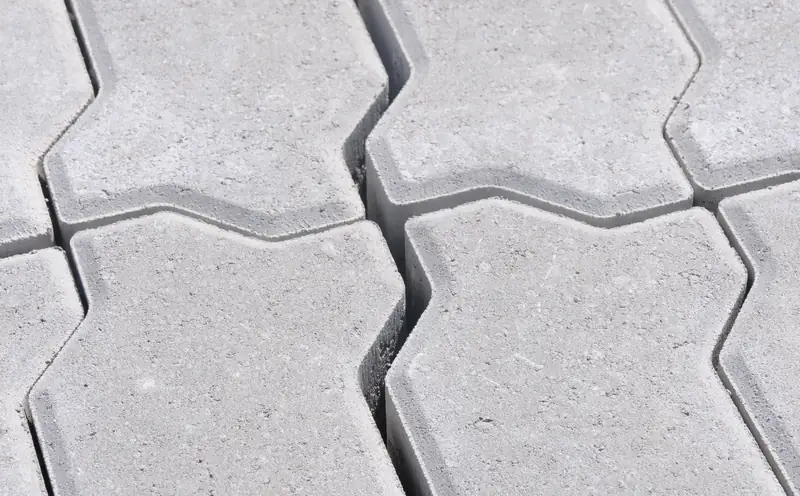
Paver Driveways · Altamonte Springs, FL
Paver Driveways in Altamonte Springs
Expect $10–$30 per sq ft installed for a paver driveway in Altamonte Springs as of October 2026. A wide paver driveway pushes against the city's 45 percent lot coverage cap faster than a narrower concrete one does, and a property sitting inside one of the city's unincorporated enclaves files with the county instead.
By the Opera Concrete & Pavers estimating team · Updated October 1, 2026
Get a free estimate
Tell us about the project and we'll call to set up a free site visit.
Pavers count toward the same lot coverage ceiling as the house itself
Altamonte Springs' R-1 single-family district caps lot coverage at 45 percent for a detached house, duplex or zero-lot-line home under Land Development Code §3.7.8 (Altamonte Springs LDC §3.7.8). Because a paver driveway typically runs wider than a poured-concrete one to accommodate a circular or double design, it's worth running the lot coverage math before ordering material, especially on a smaller R-1AAA or R-1AA lot where the percentage ceiling drops rather than rises.
When the subgrade itself needs help before the base goes down
ICPI's spec admits its own 98 percent compaction standard may not be achievable in extremely saturated or very fine soils, and calls for stabilizing the subgrade instead of forcing the number on ground that won't take it. In practice that means dealing with the soil before a single scoop of aggregate base arrives, whether that's letting it dry out, adding a separation layer, or going with a different base depth altogether. A Altamonte Springs lot with sand over a denser layer behaves differently than one that's sand straight down, and the subgrade step is where that difference gets handled instead of ignored. Skipping it is a common reason a paver driveway starts to dip within a year or two.
An enclave address files with the county, not the city
The city's own land-use planning document describes “enclaves,” islands of unincorporated Seminole County “completely surrounded” by Altamonte Springs on every side, mostly built-out single-family subdivisions along the city's perimeter (City of Altamonte Springs, Future Land Use Element DIA). A paver driveway on one of those lots goes through the county's own Development Review Division rather than the city's Driveway Construction Permit Application, even with an Altamonte Springs mailing address.
An apron that meets the right-of-way has its own rules
The strip of driveway between the edge of a property and the street, often called the apron, usually sits inside a right-of-way the city or county controls rather than the homeowner. Florida law keeps a local government from requiring a license just to install a driveway, but that exemption covers the license, not the permit: a local government can still require a permit for work that touches its right-of-way. On a Altamonte Springs project where the apron crosses into that right-of-way, checking which department reviews that specific strip, separate from the rest of the driveway, is worth doing before the base crew ever shows up.
Checking a circular paver driveway against the lot coverage cap
Say a 9,000 sq ft R-1 lot already carries a 2,400 sq ft house and wants a circular paver driveway adding 950 sq ft of new paved surface. At $10–$30 per sq ft installed, that comes to roughly $9,500 to $28,500 depending on the paver and base. Added to the house, that driveway brings total lot coverage to about 37 percent, inside the R-1 district's 45 percent ceiling; a smaller lot carrying the same house and driveway size could run up against that cap and need the design trimmed before the permit clears.
Why an overlay job runs differently than a new build
Installing pavers over sound existing concrete skips the excavation and base-compaction steps that take up most of a new driveway's schedule, but it adds steps a fresh build doesn't need: checking the old slab for cracking or settlement that would transfer through the new surface, confirming the slab actually drains, and planning for the finished grade the added layers create at a garage threshold or a Altamonte Springs sidewalk tie-in. The bedding sand, paver-laying and joint-sand steps stay identical either way. What changes is the front end of the job, where an overlay trades digging for inspecting, and a bad slab underneath can turn what looked like the faster option into the slower one.
Efflorescence: the white haze that isn't a defect
A whitish, powdery bloom can appear on new concrete pavers within about 60 days of installation, and ICPI's own spec is direct about what it is: a calcium carbonate deposit that does not affect the structural performance or durability of the pavers. It can look alarming on a dark paver especially, and a driveway installed during a dry stretch near Altamonte Springs may not show it at all until the first real rain of the wet season brings it out. It usually fades with weather and traffic over time and isn't something a sealer is required to fix. Mistaking it for a flaw in the material, rather than a normal early-life process, is the most common false alarm on a new paver driveway.
Resetting a sunken paver, instead of patching it
Because a paver driveway is built from individual units rather than one poured surface, a localized low spot, from a soft patch in the base or sand that migrated after heavy rain, can usually be fixed by lifting the affected pavers, correcting the bedding sand underneath, and resetting the same units rather than pouring a visible patch the way a concrete repair would need. That's a meaningful difference for a Altamonte Springs homeowner weighing long-term upkeep: the fix addresses the base problem directly instead of covering it, and the repaired section matches the rest of the driveway once the joint sand is swept back in, rather than standing out as an obviously patched spot.
Frequently asked questions
Does a paver driveway count differently than concrete toward lot coverage in Altamonte Springs?
No, the Land Development Code's lot coverage cap applies to the paved surface generally; a wider paver driveway simply tends to add more square footage against that same percentage limit than a narrower concrete one would.
How do I know if a property is inside one of the city's unincorporated enclaves?
The city's planning documents describe these as pockets of Seminole County completely surrounded by city limits; confirming the parcel with the county property appraiser or the Building and Fire Safety Department settles which permit desk applies.
What's the lot coverage cap for a detached home in Altamonte Springs' R-1 district?
45 percent, under Land Development Code §3.7.8, rising to 55 percent for a townhouse unit.
Sources
- Census Bureau PEP, City and Town Population Totals, Vintage 2025 (July 1, 2025)
- SJRWMD Watering Restrictions
- Florida Dept. of State - State Soil
- Florida Administrative Code — Rule 62-308.100, Synthetic Turf (effective May 19, 2026)
- Florida Statutes §125.572 — synthetic turf on single-family lots
- City of Altamonte Springs, Driveway Construction Permit Application (rev. 3/1/2024)
- City of Altamonte Springs, Building Permit Application and Checklist (rev. 3/1/2024)
- City of Altamonte Springs Land Development Code §3.7.8, R-1 Lot Coverage (via Zoneomics)
- City of Altamonte Springs, Future Land Use Element, Data Inventory and Analysis, City Plan 2030
- City of Altamonte Springs, Project APRICOT
- Wikipedia, Altamonte Springs, Florida
- Census Reporter, Altamonte Springs, FL (ACS 2024 5-yr, B25035)
Ready for a price on your project?
Request a free estimate
Tell us about the project and we'll call to set up a free site visit.