
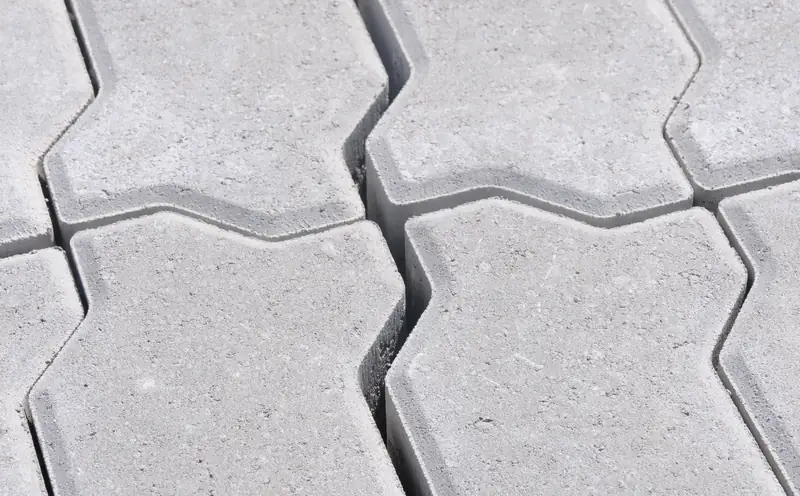
Paver Driveways · Winter Park, FL
Paver Driveways for a Winter Park Lot
A paver driveway in Winter Park runs $10–$30 per sq ft installed as of October 2026. Pavers count toward the same 50 percent lot-coverage ceiling as poured concrete, and on streets the city still paves in brick, the apron's color and pattern are as much a design question as a permitting one.
By the Opera Concrete & Pavers estimating team · Updated October 1, 2026
Get a free estimate
Tell us about the project and we'll call to set up a free site visit.
Pavers are impervious for coverage math, same as concrete
Winter Park's code draws no distinction between a paver driveway and a poured one under the 50 percent impervious-coverage ceiling in section 58-65: “buildings, accessory structures, patios, decks, drives and other impervious surfaces” are counted together, and front-yard hard surfaces, “concrete, asphalt, brick, pavers” by name, max out at that same 50 percent inside the front yard (City of Winter Park, Sec. 58-65 R-1A districts). The one material the ordinance rules out entirely is a mulch drive, which it calls prohibited outright (Sec. 58-65). A dimensioned site plan still goes to Building and Permitting Services before pavers go down (City of Winter Park, Driveway Permit Requirements).
What a 98 percent Proctor reading actually means for a Winter Park driveway
ICPI calls for the compacted subgrade and the aggregate base under a driveway to reach at least 98 percent of standard Proctor density, tested against ASTM D698, with vehicular areas held to the stricter modified Proctor instead. That number comes from a plate compactor working the base in lifts of 4 to 6 inches, not one pass over the whole excavation. Skipping a lift, or compacting a lift that's too thick, is how a base looks finished on the surface and still settles under Winter Park traffic within a season. The spec also sets a surface tolerance of plus or minus three-eighths of an inch over 10 feet, tighter than it sounds once pavers sit on top of it.
Matching an apron to a brick street, where one still exists
Not every Winter Park block runs on asphalt. The city still maintains close to 19 of its roughly 100-plus miles of public road in brick, a surface its own streets policy expects to outlast an asphalt resurfacing by a wide margin (City of Winter Park, Street Brick Policy). That's separate pavement from a private driveway, but on a lot that fronts one of those segments, a brick-toned paver or a real clay-brick border carries the street's look onto the apron instead of breaking it with plain gray concrete. A stamped, brick-pattern driveway is the lower-cost alternative when real pavers don't fit the budget.
Edge restraint: the part of a paver driveway nobody sees
Every paver driveway needs edge restraint along its full perimeter and anywhere the paving material changes, because without it the field has nothing stopping it from spreading sideways under traffic. The spec allows plastic or aluminum restraint on a flexible base, with steel reserved for rigid bases, and it's specific about where the anchoring spikes go: into the compacted aggregate base, never into the surrounding soil. It also rules out one shortcut: the metal edging sold for planting beds isn't an acceptable substitute, even though it looks similar on a hardware store shelf. Once the pavers and joint sand are down, the restraint disappears from view on a Winter Park driveway, which is exactly why it's worth getting right the first time.
A two-car paver driveway near a brick street, worked out in square feet
Say a home on one of Winter Park's brick-fronted blocks relays a 24 by 24 foot driveway, 576 square feet, in a brick-toned concrete paver to echo the street. At $10–$30 per sq ft installed, that lands between roughly $6,912 and $17,280 depending on the paver and base thickness, with the homeowner's coverage worksheet rechecked afterward to confirm the lot stays under the 50 percent ceiling once the new paver footprint is added in.
Why an overlay job runs differently than a new build
Installing pavers over sound existing concrete skips the excavation and base-compaction steps that take up most of a new driveway's schedule, but it adds steps a fresh build doesn't need: checking the old slab for cracking or settlement that would transfer through the new surface, confirming the slab actually drains, and planning for the finished grade the added layers create at a garage threshold or a Winter Park sidewalk tie-in. The bedding sand, paver-laying and joint-sand steps stay identical either way. What changes is the front end of the job, where an overlay trades digging for inspecting, and a bad slab underneath can turn what looked like the faster option into the slower one.
Oil and fluid stains on an unsealed paver surface
Concrete pavers aren't sealed by default under ICPI's spec, which treats sealing as optional rather than a required step, and an unsealed surface takes on an oil or transmission-fluid stain the way any unsealed masonry does: by absorbing it rather than letting it sit on top. A stain that's blotted quickly, before it has time to soak deeper into the paver and the bedding sand underneath, cleans up far more easily than one left to set for days on a Winter Park driveway. It's one of the practical reasons some owners choose to seal a new driveway sooner than the spec requires, even though there's no fixed interval written into it, rather than waiting until a stain forces the decision.
Checking edge restraint once a year
Edge restraint sits below grade and out of sight once a driveway is finished, which makes it easy to forget until the joints along the edge start widening or pavers near the perimeter begin creeping outward under traffic. A quick yearly check, pressing along the border by hand or foot near Winter Park to feel for movement, catches a loosening spike or a section where landscaping work accidentally disturbed the restraint long before the problem reaches the field of pavers. Since the spikes anchor into the compacted base rather than the soil, restraint that's failing usually means something shifted at that connection, not that the whole system needs replacing, which keeps the fix smaller if it's caught early.
Frequently asked questions
Do pavers count differently than concrete toward Winter Park's coverage limit?
No. The city's ordinance groups brick, pavers, concrete and asphalt together under the same 50 percent lot and front-yard caps, so switching materials doesn't buy extra square footage.
Can I use mulch or gravel instead of pavers for part of a Winter Park driveway?
Gravel is allowed within the same coverage limits, but mulch drives are explicitly prohibited by the city's own ordinance, not just discouraged.
Does a paver driveway in Winter Park need the same right-of-way permit as concrete?
Yes, where the apron crosses into the curb or sidewalk strip, pavers go through the same right-of-way review Engineering applies to a poured concrete apron, separate from the building permit that covers the rest of the driveway.
Sources
- City of Winter Park — Do I Need a Permit
- City of Winter Park — Sec. 58-65 R-1A districts
- City of Winter Park — Driveway Permit Requirements
- City of Winter Park — Setback/Coverage Worksheet
- City of Winter Park — Right of Way FAQ
- City of Winter Park Ordinance 3320-24 (tree preservation)
- City of Winter Park, Tree Removal Permit Application
- SJRWMD Watering Restrictions
- F.S. 720.3045 (2026) Installation, display, and storage of items
- Florida Statutes §125.572 — synthetic turf on single-family lots
- Florida Administrative Code — Rule 62-308.100, Synthetic Turf (effective May 19, 2026)
- Census Reporter, Winter Park, FL (ACS 2024 5-yr)
- Census Reporter API, Winter Park median year structure built (B25035)
- City of Winter Park, Street Brick Policy
Ready for a price on your project?
Request a free estimate
Tell us about the project and we'll call to set up a free site visit.