
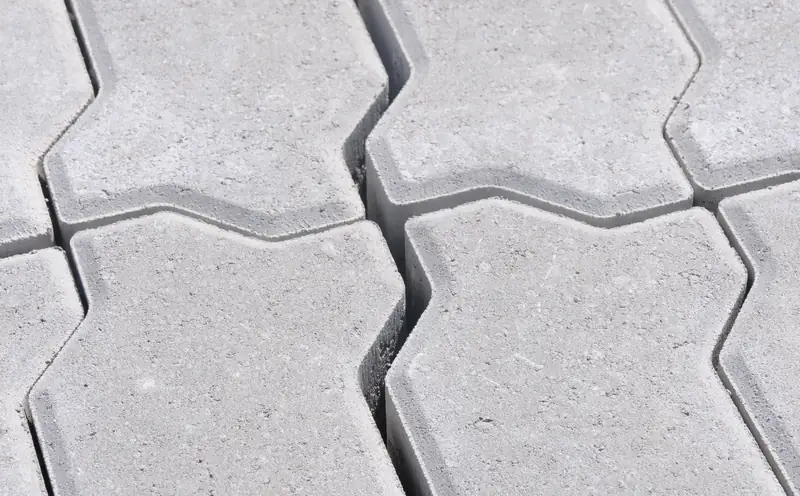
Pool Deck Pavers · Dr. Phillips, FL
Pool Deck Pavers for Dr. Phillips Backyards
Pool deck pavers in Dr. Phillips fall in the $12–$30 sq ft installed range as of October 2026. Which part of the community a pool sits in changes what the deck is actually being matched to: an older grove-era section like Sand Lake Hills, or a newer waterfront build like Phillips Landing.
By the Opera Concrete & Pavers estimating team · Updated October 1, 2026
Get a free estimate
Tell us about the project and we'll call to set up a free site visit.
Older sections mean matching a deck to an existing pool cage and lanai
Dr. Phillips grew out of land Philip Phillips once farmed as citrus groves, and its earlier-built neighborhoods, Bay Hill, Orange Tree, Sand Lake Hills, Clubhouse Estates and Turkey Lake Park among them, came up through the 1980s and 1990s (Wikipedia, Dr. Phillips, Florida). A paver pool deck going over an older Kool Deck or broom-finish original in one of those sections has to work around whatever pool cage footers and plumbing penetrations the original build left behind, a different starting point than a deck poured alongside a brand-new pool shell.
Newer waterfront construction starts from a cleaner slate
Phillips Landing's homes, most built between 2003 and 2012 along Lake Tibet-Butler (MarketConnect Realty, Phillips Landing homes), more often pair a paver deck with a pool installed in the same build cycle, so the deck and the pool shell are typically going in together rather than one being added decades after the other. The county's permit process treats either case the same way, whether the deck is new or an overlay on an older one (Orange County, Do I Need a Permit).
Grading a Paver Deck to the Drains, Not Just Away From the House
Like any pool deck, a paver field around the water needs to shed rain toward deck drains or a perimeter channel instead of back into the pool, on top of the ordinary slope away from the house any patio needs. We build that grade into the compacted base itself, shaping it before the bedding sand goes down, since correcting a pitch problem after pavers are laid means pulling up a section rather than adjusting a sand layer. On a Dr. Phillips deck, getting that two-direction slope right in the base is what keeps a hard afternoon rain from pushing pollen and yard debris straight into the pool.
Protecting the Pool While the Old Deck Comes Out
Demolishing an existing paver or concrete deck around a pool that's staying filled means covering the water before the first paver or slab section comes up, since broken material and dust land in the pool far more easily than most homeowners expect. We stage removal in sections working away from the coping rather than breaking out the whole field at once, which keeps the open excavation smaller and easier to keep debris out of at any point in a Dr. Phillips job. Pulling coping units last, right before the new base goes in, also protects the bond beam from impact damage during the rest of the demolition.
A paver overlay on an aging Kool Deck surface, worked out in square feet
Say a Sand Lake Hills pool from the early 1990s has a worn, chalky Kool Deck surface across 600 square feet that's due for a full replacement rather than another resurfacing pass. Switching to pavers at the $12–$30 per sq ft installed range runs roughly $7,200 to $18,000, with the pool cage's existing footers surveyed first so the new base doesn't conflict with them.
Edge Restraint Where the Paver Field Meets the Coping
Every paver field needs a continuous edge restraint, and on a pool deck that includes the inside edge where the field meets the coping, not just the outer perimeter against turf or mulch. The restraint spikes into the compacted base, not into the thin bedding layer under the coping itself, so the two systems stay independently supported. On a Dr. Phillips deck, a paver field laid against coping with no restraint there at all tends to creep toward the pool over a season or two, since foot traffic and chairs dragged near the water's edge push outward on exactly that unsupported joint.
Screen Cage Footers Shifting a Paver Field Near the Pool
A screen enclosure footer that wasn't isolated from the surrounding paver base during construction can settle or heave on its own schedule, and the nearest paver courses follow it, showing up as a localized dip or bump that tracks each post location around the pool rather than a random low spot. That pattern is often mistaken for ordinary base settling until someone notices it lines up with every footer rather than spreading evenly across the field. On a Dr. Phillips deck with an older screen cage, resetting the affected pavers usually fixes the symptom, but the footer itself may need its own separate repair if it keeps moving.
Sealing Travertine and Shell Stone on a Pool-Specific Schedule
Travertine and shell stone's porosity means sealing matters more around a pool than it does on a patio further from water, since sunscreen, chlorine splash and standing puddles all have more chances to soak in before a sealer wears through. Rather than resealing on a fixed calendar, which neither material has a published interval for, the better signal on a Dr. Phillips deck is watching whether water still beads on the surface near the water's edge specifically, since that zone wears through a sealer faster than the rest of the field. A faded or flattened color in that same zone is the other early sign.
Frequently asked questions
Does an older Dr. Phillips pool deck need extra work before pavers go over it?
Often, yes. A deck original to a 1980s or 1990s pool typically has cage footers and plumbing penetrations that need mapping before the new base and pavers are installed, which a brand-new build doesn't have to account for.
Are Phillips Landing pool decks usually new installs?
More often than in older sections, yes, since many of those homes and their pools were built in the same 2003 to 2012 window, so the deck and the pool shell typically go in together rather than one being added much later.
Does the county review a paver overlay differently than a brand-new pool deck?
No. The same permit process applies either way, whether the paver deck is new construction or installed over an existing concrete surface.
Sources
- Orange County Division of Building Safety
- Orange County — Do I Need a Permit
- Orange County — Residential Pavers
- Orange County — ROW Utilization Permit directory
- Orange County — Municode Ch. 21 Art. VI ROW Utilization
- Orange County — Residential Lot Grading Policy 2023
- Orange County — A Guide for Residential Plan Approval
- Orange County, Tree Removal Permit
- SJRWMD Watering Restrictions
- Florida Administrative Code — Rule 62-308.100, Synthetic Turf (effective May 19, 2026)
- Florida Statutes §125.572 — synthetic turf on single-family lots
- F.S. 720.3045 (2026) Installation, display, and storage of items
- Florida Senate Interim Report 2011-104 (sinkhole insurance)
- NRCS OSD Candler
- NRCS OSD Tavares
- NRCS OSD Myakka
- NRCS OSD Smyrna
- Wikipedia, Dr. Phillips, Florida
- Census Reporter, Doctor Phillips, FL (ACS 2024 5-yr)
- Florida Neighborhood Realty, Restaurant Row in Dr. Phillips
- MarketConnect Realty, Phillips Landing homes
- FDEP, Outstanding Florida Waters fact sheet
- Point2Homes, Doctor Phillips demographics
Ready for a price on your project?
Request a free estimate
Tell us about the project and we'll call to set up a free site visit.