
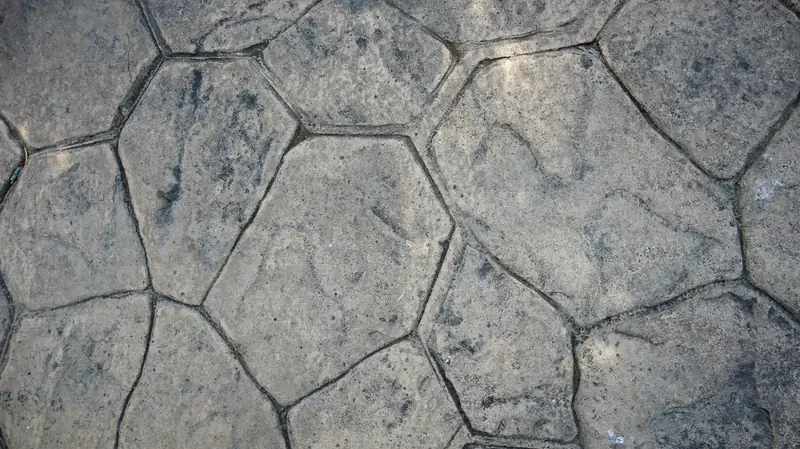
Concrete Patios · Lake Nona, FL
Building a Concrete Patio in Lake Nona
A concrete patio in Lake Nona runs $6–$13 per sq ft installed as of October 2026. A lot of homes here were sold with a small builder-grade lanai slab, so the most common patio job isn't new construction from bare ground; it's extending that original pour into a full-size patio.
By the Opera Concrete & Pavers estimating team · Updated October 1, 2026
Get a free estimate
Tell us about the project and we'll call to set up a free site visit.
Extending a builder slab is still new permit work
A patio addition, even one that ties into an existing builder-poured lanai, goes through the same engineering permit the city applies to a driveway or a fresh slab (City of Orlando, Residential Permitting Requirements). Because many Lake Nona homes are recent construction, the original builder's slab and the new extension don't always share a control-joint layout, which is why we plan the joint pattern across both sections rather than treating the addition as a stand-alone pour.
Drainage has to work with a community built around stormwater ponds
Lake Nona's newer sections are laid out around a network of engineered stormwater ponds feeding the 587-acre lake the community is named for (Orange County Water Atlas, Lake Nona). A patio extension's slope has to keep pushing runoff toward the yard's existing drainage path rather than redirecting it, since those ponds are sized for a planned flow pattern across the whole subdivision, not just one lot's convenience.
Ridge Sand Under a Patio Still Needs Shallow Lifts
The sand ridge soils under parts of Lake Nona, Candler, Astatula and Tavares among them, drain so well that the water table can sit more than 80 inches down, yet that same looseness means a compactor's plate can push material sideways instead of locking it in place. Under a patio, where the base only needs to carry foot traffic and outdoor furniture rather than a vehicle, it is still worth wetting loose ridge sand enough to bind it and compacting in shallow lifts rather than one deep pass. Skipping that step on a sandy lot shows up later as a soft spot under one corner of the slab, often near wherever foot traffic concentrates, like a step down from a door.
Starting Early When the House Itself Blocks the Morning Shade
A patio built close to the back of a Lake Nona house often sits in the house's own shadow through mid-morning, which shifts the riskiest window for a hot pour later in the day than it would be on an open driveway facing the street. Hot-weather guidance still calls for avoiding the hottest stretch of the day and starting early enough that finishing and the first hours of curing happen before heat and evaporation peak, but starting early on a shaded patio sometimes means watching the sun angle as much as the clock. Reading the site's actual shade pattern, not just a generic start time, is part of planning the pour day.
Extending a builder-grade lanai into a full patio, worked out in square feet
Say a Lake Nona home's original 10 by 10 foot builder lanai, 100 square feet, gets extended by another 150 square feet to make room for an outdoor dining set. At $6–$13 per sq ft installed, the 150 square foot addition lands between roughly $900 and $1,950, with the existing slab's control joints checked first so the new pour ties in cleanly rather than cracking along the seam.
Broom, Exposed Aggregate or Stain: Decide Before the Truck Arrives
A broom finish is the standard surface for a Lake Nona patio: dragging a broom across the concrete while it is still workable leaves a texture that sheds water and resists slipping around a pool or outdoor kitchen. Exposed aggregate washes or blasts the surface cement away so the stone in the mix shows through, changing the look and the grip underfoot, while an integral color or acid stain changes the surface's appearance without changing the mix's strength. All three choices have to be locked in before the pour starts, since a plain broom finish cannot become exposed aggregate or a stained surface afterward without resurfacing the whole patio.
A Tie-In Seam Without a Plan Cracks Worse Than a Joint
A patio extension poured directly against an existing slab without an isolation joint, or without matching the two sections' elevation carefully, does not settle evenly as both pieces age, and the seam between old and new concrete in Lake Nona often ends up as the single worst crack or trip edge on the whole patio. That kind of damage looks worse, and reads as a more serious problem, than the ordinary hairline cracking a slab develops along its own control joints, even though the underlying cause, two pours moving independently, was foreseeable from the start. Planning the tie-in detail before the second pour, not patching the seam after it cracks, is the cheaper path by a wide margin.
Reading the Rain Totals Before Rainy Season Arrives
Orlando averages about 51.45 inches of rain a year and Sarasota-Bradenton about 49.05, most of it falling in a rainy season that typically runs from late spring into October, so walking a Lake Nona patio before that season starts and clearing joints, downspout paths and any low spots is worth doing on a calendar, not just when a problem shows up. A joint packed with sand and leaves, or a downspout that has drifted since the last check, both work against the patio over an entire wet season rather than a single storm. A few minutes of looking in May saves far more time than dealing with a settled corner discovered in August.
Frequently asked questions
Does extending a builder-grade lanai in Lake Nona need its own permit?
Yes, the addition is reviewed under the same engineering permit as any new patio or slab, even though it connects to concrete the builder already poured.
Why do Lake Nona patios often start as a small builder slab?
Many homes here were sold with a basic lanai pad rather than a full patio, since the community is newer construction overall, so adding on later is a common first hardscape project rather than an unusual one.
Does a patio's drainage matter more in a community built around ponds?
It's worth checking more carefully. Lake Nona's stormwater system is engineered around the whole subdivision's runoff pattern, so a patio's slope should continue feeding that same drainage path rather than pooling water against the house or a neighboring yard.
Sources
- City of Orlando — Apply for an Engineering Permit
- City of Orlando — Engineering Standards Manual, 5th ed.
- City of Orlando — Residential Permitting Requirements
- City of Orlando — HB803 Residential Building Permit Exemption Guide
- City of Orlando — Apply for a Right-of-Way Permit
- Lake Nona, About
- Laureate Park Master Association FAQ
- Florida Administrative Code — Rule 62-308.100, Synthetic Turf (effective May 19, 2026)
- Florida Statutes §125.572 — synthetic turf on single-family lots
- F.S. 720.3045 (2026) Installation, display, and storage of items
- SJRWMD Watering Restrictions
- NorthLake Park at Lake Nona, Community Portal (ARC approval)
- Lake Nona, NorthLake Park neighborhood page
- Orange County Water Atlas, Lake Nona
- ClickOrlando, Dowden Central CDD approval
- Wikipedia, Lake Nona, Orlando, Florida
Ready for a price on your project?
Request a free estimate
Tell us about the project and we'll call to set up a free site visit.